Foods That Boost Metabolism: A Practical Guide
By:Author:Walking Yoga Editorial
Updated on:September 30, 2026

- Do Foods That Boost Metabolism Actually Work?
- Why This Beats the Harder Alternative
- How Much Protein and Movement Do You Actually Need?
- The Practical Question: Making It Fit Daily Life
- The Diet You're Weighing Against Metabolism-Boosting Foods
- Can Food Alone Target Where You Lose Weight?
- Levers That Change the Result
- How Long Until You See Results?
- Your First Four Weeks
- What Stalls Progress
- Why Walking Yoga Works for This
- Final Thoughts
- Frequently Asked Questions
Some foods do nudge the body to burn a few extra calories digesting them, but the effect is small - a spice or a coffee will not undo a takeaway order.
The mechanism is called the thermic effect of food: your body spends energy breaking down what you eat, and protein costs more energy to process than fat or refined carbs.
This guide covers what actually moves the number, how much difference to expect, and why pairing food choices with daily movement counts for more than either one alone.
Do Foods That Boost Metabolism Actually Work?
The mechanism is real but modest: digesting protein costs more energy to process than fat or carbs, and this difference adds up across your meals.
Swap a fat-rich food for a protein-rich one and you might spend a little extra energy just processing it - useful, but not a shortcut on its own.
Spicy foods and caffeine can produce a short, small uptick in energy use too, but the honest arithmetic says none of this replaces moving more or eating fewer calories overall.
Why This Beats the Harder Alternative
Extreme diets that promise a metabolism overhaul are hard to sustain, and a plan you cannot stick with delivers nothing.
Choosing protein-rich meals and staying active most days is a small, repeatable habit - and repeatable habits are what actually accumulate over time.
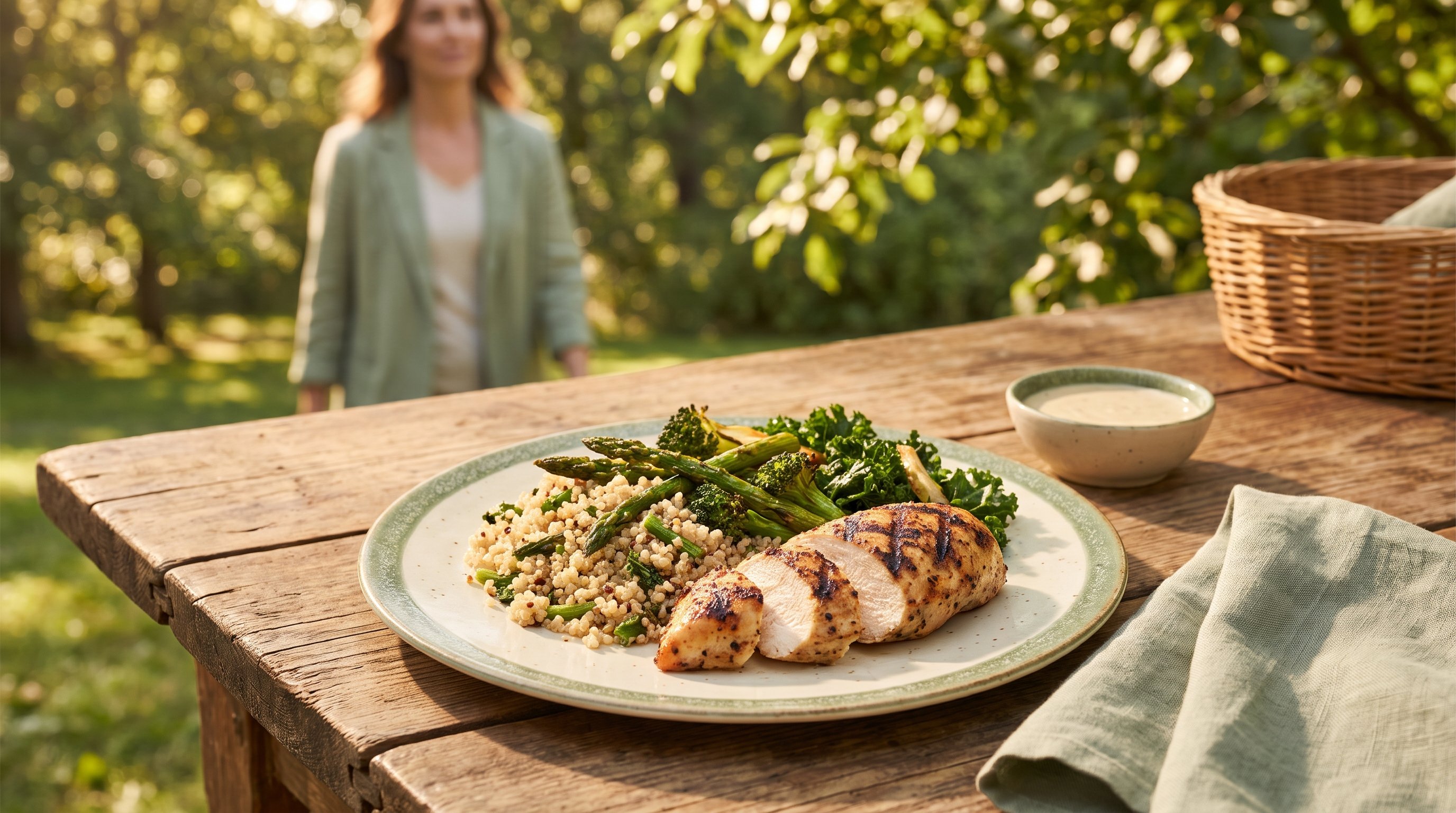
The adherence argument is simple: a modest change done daily beats a dramatic change done twice and then abandoned.
How Much Protein and Movement Do You Actually Need?
There is no single number that fits everyone, since it depends on body size, current habits and how active the rest of your day already is.
A practical starting point is to add a protein source to each meal and to keep moving throughout the day rather than saving all activity for one long session.
Find Your Own Number
Start smaller than you think you need, track it for a week, and adjust based on how consistent you actually manage to be.
| Goal | Food Focus | Movement |
|---|---|---|
Steady energy | Protein at each meal | Short daily walks |
Building habits | Add water, cut sugary drinks | Daily steps target |
Long-term consistency | Favourite foods, smaller portions | Guided sessions most days |
The Practical Question: Making It Fit Daily Life
Knowing which foods help is one thing; actually building a plate around them every day is the harder part.
This is where a meal plan built around food you already like matters more than a list of ingredients you will not stick with.
Walking Yoga pairs an easy-to-follow personal meal plan with step counters and water trackers, so the food side and the movement side sit in one place instead of two separate habits fighting for attention.
The Diet You're Weighing Against Metabolism-Boosting Foods
Most people comparing metabolism-boosting foods are really deciding between a food-first approach, a movement-first approach, or a mix of both.
Here is how the common options stack up based on what they actually demand day to day.
| Approach | Effort Required | Sustainability |
|---|---|---|
Protein-focused eating | Moderate, plan meals | High if meals are enjoyable |
Extreme calorie cutting | High, constant restriction | Low, hard to maintain |
Daily short walks | Low, fits any schedule | High, easy to repeat |
Intense workouts only | High, needs recovery time | Moderate, easy to skip |
Food plus movement combined | Moderate, two small habits | High, habits reinforce each other |
Can Food Alone Target Where You Lose Weight?
No food can decide where your body loses weight from, and no meal or drink works overnight.
The body draws energy from stores across the whole body, not from one chosen area, no matter what a food is claimed to target.
The honest answer is that consistent eating habits and regular movement work together over time, and there is no faster route than that.
Levers That Change the Result
A few factors matter more than the rest in whether metabolism-friendly eating actually adds up to anything.
What Actually Moves the Needle
- How often you eat protein - it costs more energy to digest than fat or refined carbs, so it edges the daily total up meal after meal.
- How consistently you move - short daily sessions completed most days beat one long workout completed rarely.
- How well the plan fits your life - a routine you enjoy and can repeat outlasts one that feels like punishment.
How Long Until You See Results?
This is where most people quit - not because nothing is happening, but because they expected to feel a difference sooner than habits actually compound.
Small daily choices around food and movement take time to show up, and that timeline is different for everyone depending on where they started.
The honest approach is to judge the plan by whether you are still doing it in a month, not by how you feel after three days.
Your First Four Weeks
The order of changes matters more than the exact numbers, since stacking too much at once is how people fall off in week two.
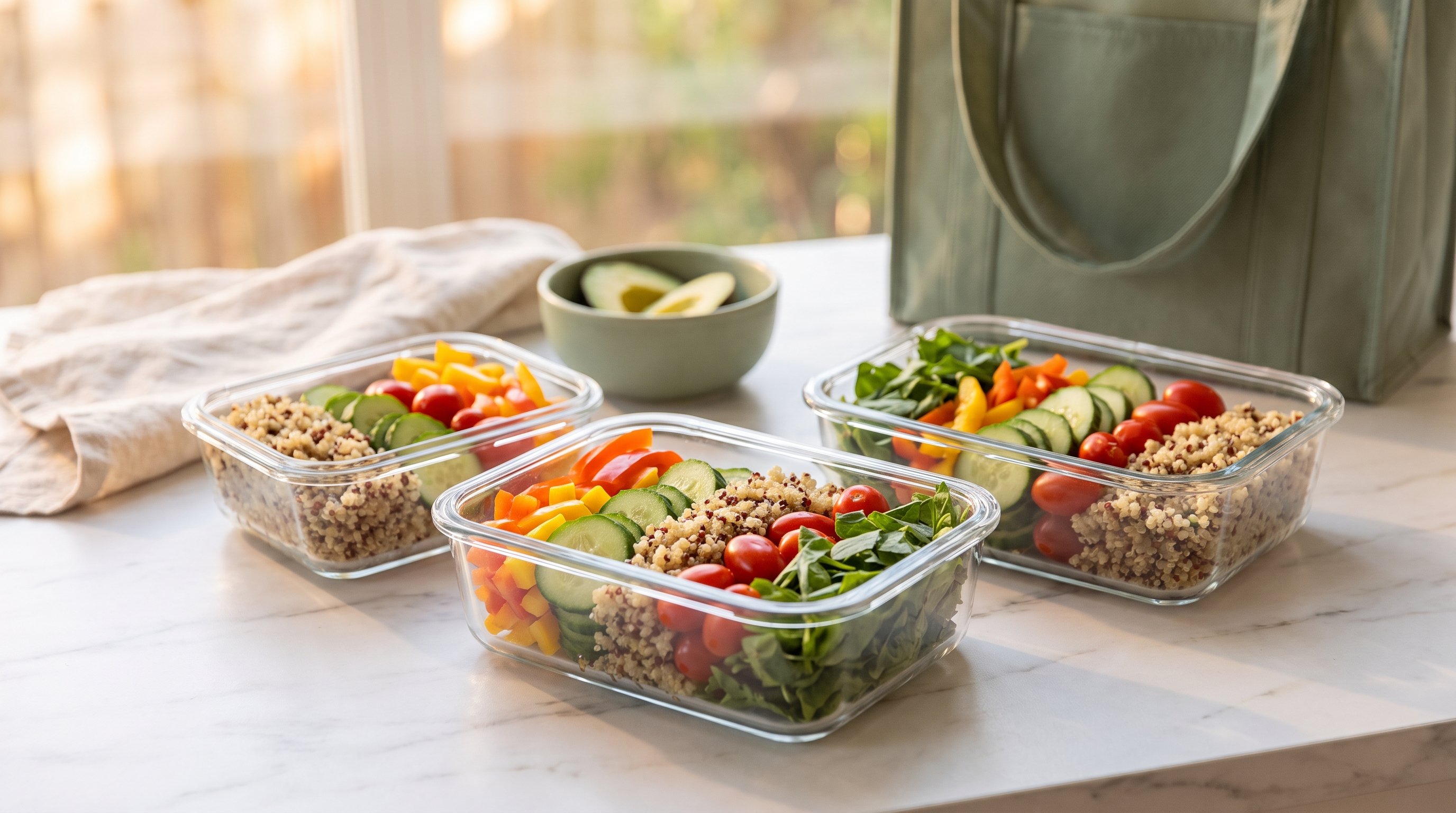
| Week | Food Focus | Movement Focus |
|---|---|---|
Week 1 | Add protein to one meal daily | Short walk most days |
Week 2 | Add protein to two meals daily | Daily steps, track them |
Week 3 | Swap one sugary drink for water | Add a guided session |
Week 4 | Review meals, keep what stuck | Build a repeatable routine |
What Stalls Progress
Skipping Meals to Save Calories
This often backfires because it makes the next meal harder to control; eating regular, protein-rich meals keeps energy steadier through the day.
Treating One Food As a Fix
No single ingredient does the work alone; build the whole plate around variety instead of chasing one metabolism myth.
All-Or-Nothing Movement
Waiting for a free hour to exercise means most days get skipped; short daily sessions are easier to actually complete.
Ignoring Water Intake
Staying under-hydrated can leave you feeling low on energy and more likely to reach for quick fixes; keeping water intake visible helps you stay on top of it.
No Way to Track What Is Working
Without a simple record of meals, steps or weight, it is hard to know what to keep and what to drop; a basic tracker solves this.
Why Walking Yoga Works for This
Building metabolism-friendly habits works best when the food plan and the movement plan live in the same place, instead of two separate apps you forget to open.
Walking Yoga brings together a customized plan for weight loss, an easy-to-follow personal meal plan, and trackers for steps, water and weight, so daily consistency is easier to see and easier to keep up.
Challenges to build good habits and guided meditations round it out, helping the routine feel manageable rather than like one more thing to force.
Final Thoughts
Metabolism-boosting foods play a real but small part - the bigger story is consistent protein, regular movement, and a routine that fits your actual life.
Walking Yoga gives that routine a simple home, pairing a customized meal plan with daily movement so the small habits add up instead of falling apart by week two.
Frequently Asked Questions
Which Foods Actually Boost Metabolism the Most?
Protein-rich foods have a measurable effect because digesting protein costs more energy than digesting fat or carbs. Spicy foods and caffeine add a small, short-lived bump, but neither replaces regular movement.
Isn't This Just Another Diet Trick That Doesn't Really Work?
The thermic effect of food is a real mechanism, not a myth, but it is small compared to overall eating and activity patterns. Treat it as one piece of a bigger picture rather than a standalone fix.
What If There's No Time to Plan Meals or Exercise Every Day?
Start with one small change, like adding protein to a single meal or taking a short walk, and build from there. Walking Yoga's short guided sessions and ready-made meal plans are designed to fit into gaps in a busy day rather than demand a big time block.
Why Does Progress Seem to Stall After the First Couple of Weeks?
Early motivation often fades before habits become automatic, which is exactly when many people quit. Sticking with small, repeatable food and movement choices through that stretch is usually what makes the difference over the following weeks.
Share this post