How to Eat More Protein: Whole Foods Versus Supplements for Results
By:Author:Walking Yoga Editorial
Updated on:October 28, 2026

- Does Eating More Protein Actually Change Anything?
- Whole Foods Versus Protein Supplements: Weighing the Choice
- Why Building Meals Around Real Food Wins Long Term
- Adjusting Your Protein Approach to Your Own Week
- Making Protein Goals Fit an Ordinary Week
- The Myth That More Protein Burns Fat Faster
- Pairing Walking Yoga With Your Protein Habit
- Where to Start With Your Own Protein Habit
The simplest way to eat more protein is to add a protein source to meals you already eat, rather than redesigning your whole diet around it.
Protein needs come from body tissue repair and muscle maintenance, so spreading it across the day gives your body a steady supply instead of one large dose it cannot use all at once.
This guide covers whether eating more protein actually changes anything, how whole foods stack up against supplements, who needs to adjust their approach, and where a tool like this fits into the picture.
Does Eating More Protein Actually Change Anything?
Protein is the raw material your body uses to repair and maintain muscle tissue, so if you are moving more, having enough of it on board matters.
The arithmetic is straightforward: if your current meals lean heavily on refined carbohydrates and light on protein, swapping even one meal a day for a protein-forward version adds up across a week without changing your total food volume much.
What the Numbers Look Like
Say a breakfast of toast alone gets swapped for toast with eggs - that is one extra protein source, three times this week if you do it on three mornings, seven times if you do it daily.
None of this guarantees a specific result on a specific date, and nobody can promise what your plate will look like in a month. What it does is stack small, repeatable choices on top of each other, which is the only part of nutrition anyone can actually control day to day.
Whole Foods Versus Protein Supplements: Weighing the Choice
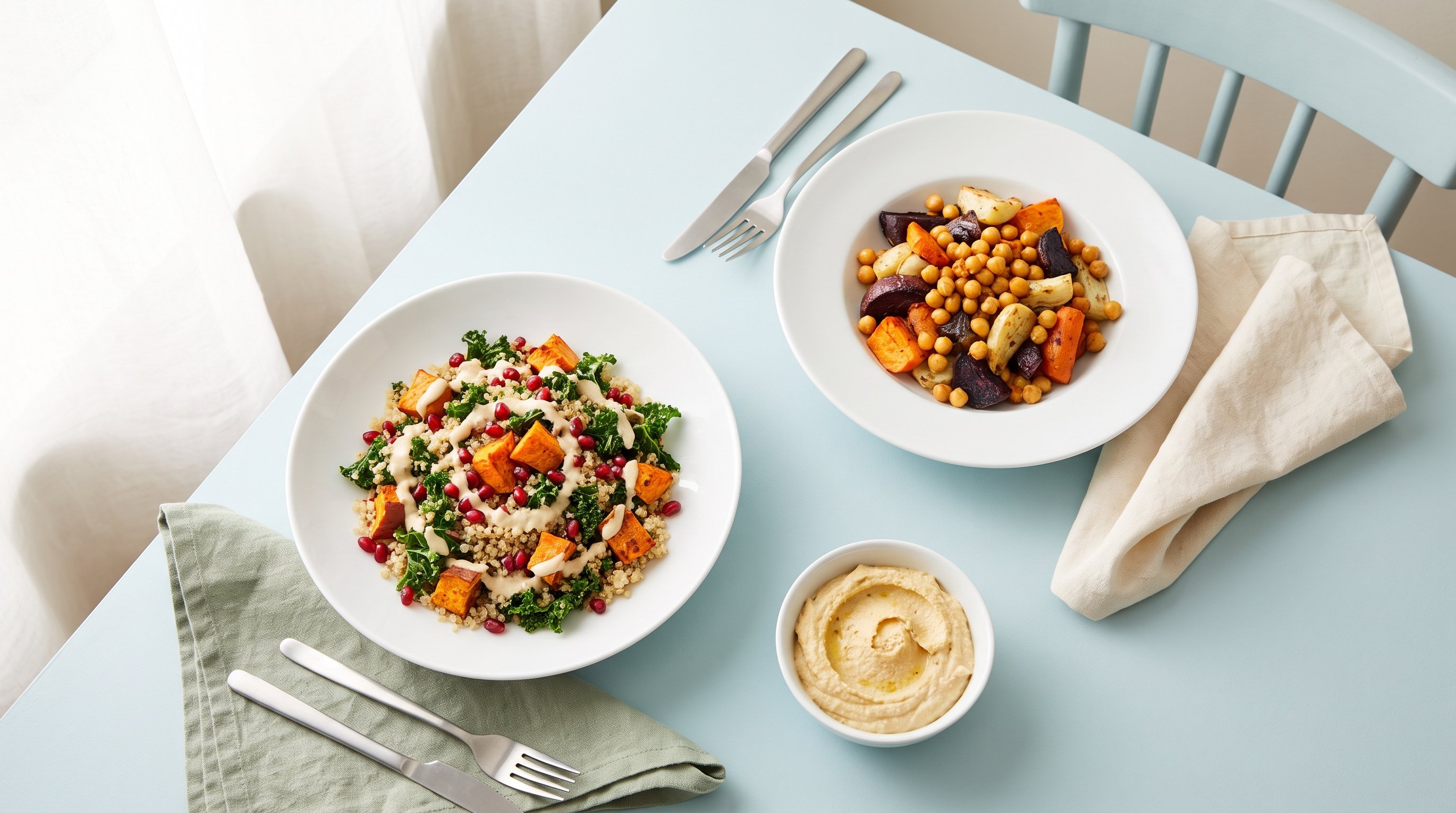
This is the decision most people actually face: build protein intake from whole foods like meat, fish, eggs, dairy and legumes, or lean on a protein shake or bar to fill the gap.
Neither one is wrong, and most people end up using a mix depending on the day.

| Option | Prep Time | Flexibility | Cost Pattern |
|---|---|---|---|
| Chicken breast | 15-20 minutes | Needs cooking | Varies by cut |
| Eggs | 5-10 minutes | Very flexible | Generally low |
| Greek yoghurt | No prep | Grab and go | Mid-range |
| Lentils or beans | 20-30 minutes | Batch-friendly | Low cost |
| Protein shake | 1-2 minutes | Very portable | Depends on brand |
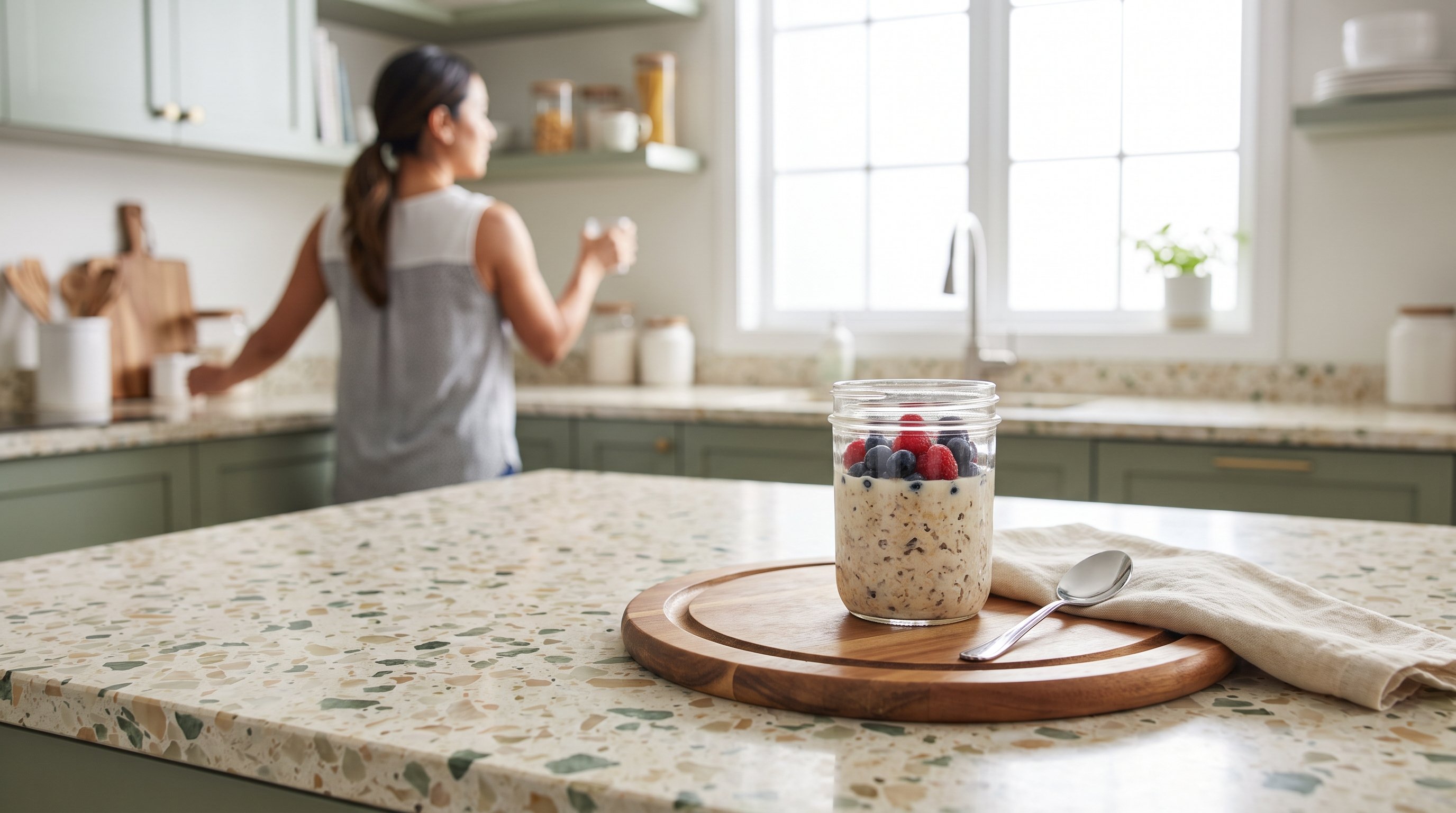
A shake wins on speed when the day runs away from you. Whole food wins when you want the meal to actually feel like a meal, and it tends to keep you fuller for longer because it usually comes with fibre, fat or both alongside the protein.
Why Building Meals Around Real Food Wins Long Term
A strict high-protein diet that cuts out whole food groups is hard to sustain past a few weeks, mainly because it asks you to think about every single meal from scratch.
Adding protein to meals you already cook asks much less of you. You are not learning a new way of eating, you are adjusting portions and swapping one ingredient for another.

The adherence argument is simple: the plan you actually follow on a Tuesday evening after a long day beats the plan that looks perfect on paper but only survives the weekend. Small, repeatable adjustments outlast dramatic overhauls almost every time.
Adjusting Your Protein Approach to Your Own Week
If You're New to Tracking Protein
Start by noticing which of your current meals already has a protein source and which ones don't, rather than counting grams straight away.
If Your Week Is Packed
Lean on foods that need little or no prep - eggs, yoghurt, tinned beans, a shake kept in a bag - so protein doesn't depend on having spare time to cook.
If You're Cooking for a Household
Batch-cook one protein source, like lentils or shredded chicken, and portion it across a few days so every meal doesn't need a fresh decision.
If You're Combining This With More Movement
Pair protein-forward meals with the days you're most active, since that is when your body is doing the most repair work and can put it to use.
Making Protein Goals Fit an Ordinary Week
None of this needs a separate shopping list or a kitchen overhaul. It needs a handful of repeatable swaps you can make without thinking too hard about it.
Movement and food work together rather than as separate projects, and this is where Walking Yoga fits in - its meal plan is built around food you already like, so adding protein doesn't mean giving up meals you enjoy.
Keeping water, steps and weight in one place also makes it easier to notice patterns, like which days you tend to skip protein-rich meals because the day got busy.
The Myth That More Protein Burns Fat Faster
Eating more protein does not target where your body loses weight, and no food or supplement can direct change to one area of the body.
The body does not work that way - fat loss happens across the whole body based on overall patterns, not on what you ate at your last meal.
The honest version is less exciting but more useful: protein supports muscle maintenance and tends to keep you satisfied between meals, which can make it easier to stick with other habits you're already building, like walking more or moving daily.
Pairing Walking Yoga With Your Protein Habit
Movement alone tends to move slowly without a nutrition change alongside it, which is why pairing daily movement with a meal plan matters more than either one on its own.
Walking Yoga brings both sides together in one place - a customized plan for gentle movement, an easy-to-follow personal meal plan built around food you already like, and trackers that keep step counts, water intake and weight visible so patterns are easy to spot.
The challenges inside the app are built to help you build habits you actually keep, rather than asking for a dramatic change you abandon within a fortnight.

Walk Your Way Calm
Move Mindfully Daily
Where to Start With Your Own Protein Habit
Pick one meal today and add a protein source to it - that's the whole starting point, nothing more complicated than that.
This app can help you keep that going once the first week feels easy, with a meal plan and trackers that sit alongside the movement side of things so neither gets forgotten.
FAQ
This depends on body size, activity levels and goals, so there's no single number that fits everyone. A useful starting point is making sure every meal has some protein in it, rather than fixating on an exact gram target.
A shake can fill a gap when time is tight, but it usually lacks the fibre and variety a whole food meal brings. Neither is wrong, they just suit different moments in your day.
Lean on no-prep options like eggs, yoghurt or tinned beans, and batch-cook once to cover several days. Walking Yoga's meal plan is built around food you already like, which takes some of the decision-making off your plate.
It usually happens when the approach feels like a strict diet rather than a small adjustment to meals already in rotation. Keeping changes simple and repeatable tends to hold up far better than an all-or-nothing overhaul.
Share this post