Foods That Reduce Bloating: Simple Daily Swaps for Gut Comfort
By:Author:Walking Yoga Editorial
Updated on:October 28, 2026
- Do Foods That Reduce Bloating Actually Make a Difference
- Gentle Foods Versus Common Bloating Triggers
- Why Gentle Swaps Beat a Strict Elimination Diet
- Matching These Food Swaps to Your Own Routine
- Fitting Bloating-Friendly Eating Into a Normal Week
- The Myth of a Single Miracle Food
- Pairing Walking Yoga With Your Bloating-Friendly Diet
- Making These Swaps Stick Past the First Week
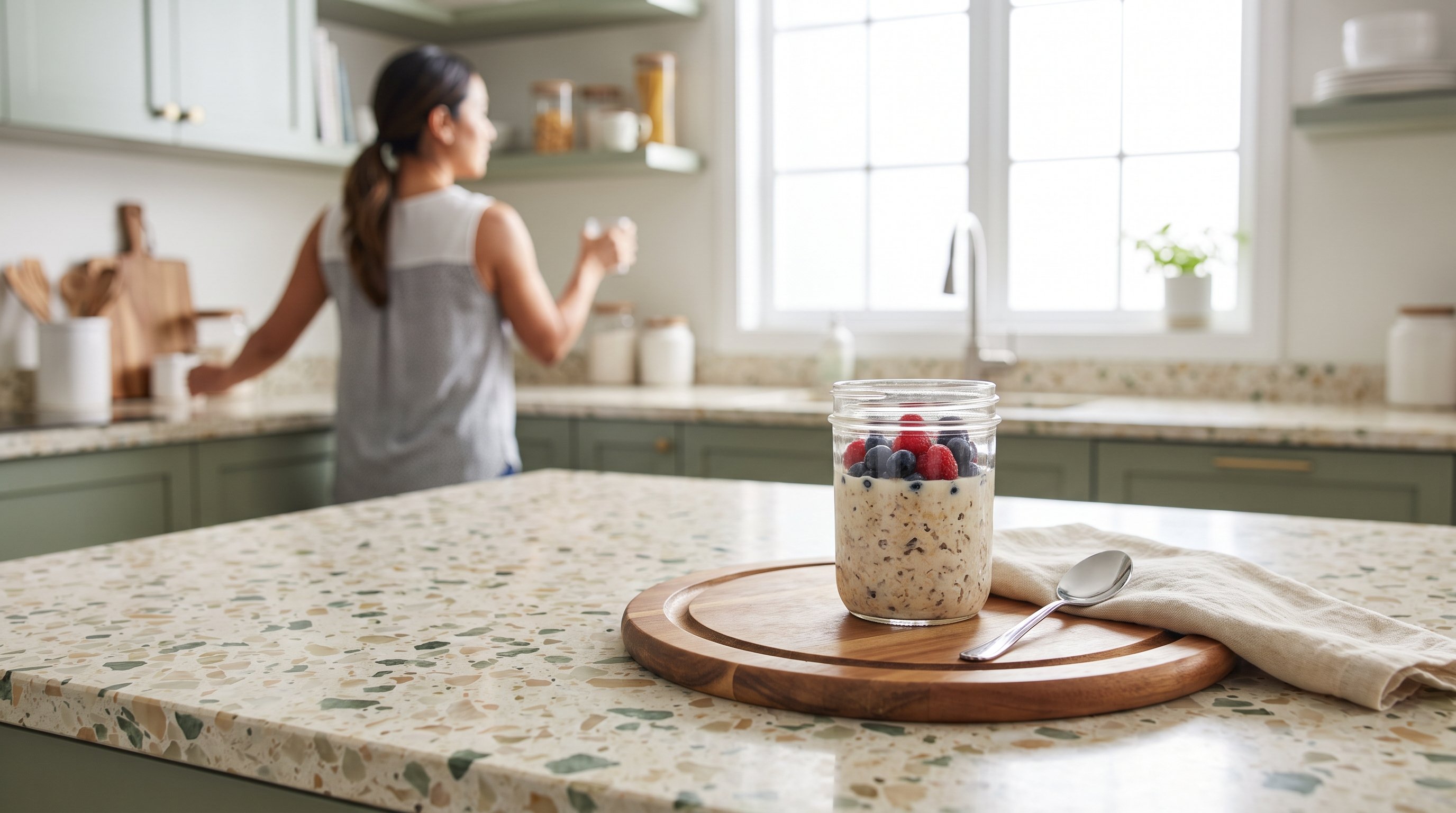
Foods that reduce bloating tend to be the ones that are easy to digest and low in things that ferment quickly in the gut - think cucumber, ginger, plain yoghurt and well-cooked vegetables rather than raw, fried or heavily processed options.
Bloating usually comes down to gas, water retention or slow digestion, and certain foods either calm that process or speed it up depending on how your gut handles them.
This guide walks through what actually helps, what tends to make bloating worse, how to swap one for the other without a big diet overhaul, and where gentle daily movement fits into the picture.
Do Foods That Reduce Bloating Actually Make a Difference
Bloating happens when gas builds up in the digestive tract, when the body holds onto extra water, or when digestion simply slows down.
Some foods feed the bacteria that produce gas quickly, while others move through the gut gently without causing that fermentation spike.
Swapping a few trigger foods for gentler options most days of the week is a small, repeatable change - and small repeatable changes are what tend to add up over time rather than a single dramatic fix.
There is no single food that melts bloating away in one sitting, but the arithmetic is simple: fewer gas-producing ingredients at a meal usually means less gas after that meal.
That is not a guarantee for every body, since everyone's gut reacts a little differently, but it is a sensible starting point grounded in how digestion works rather than in a quick fix.
Gentle Foods Versus Common Bloating Triggers
Most people are really weighing two piles of food: the gentle, easy-to-digest options and the common triggers that show up in a lot of everyday meals.
Here is how some everyday examples stack up against each other.
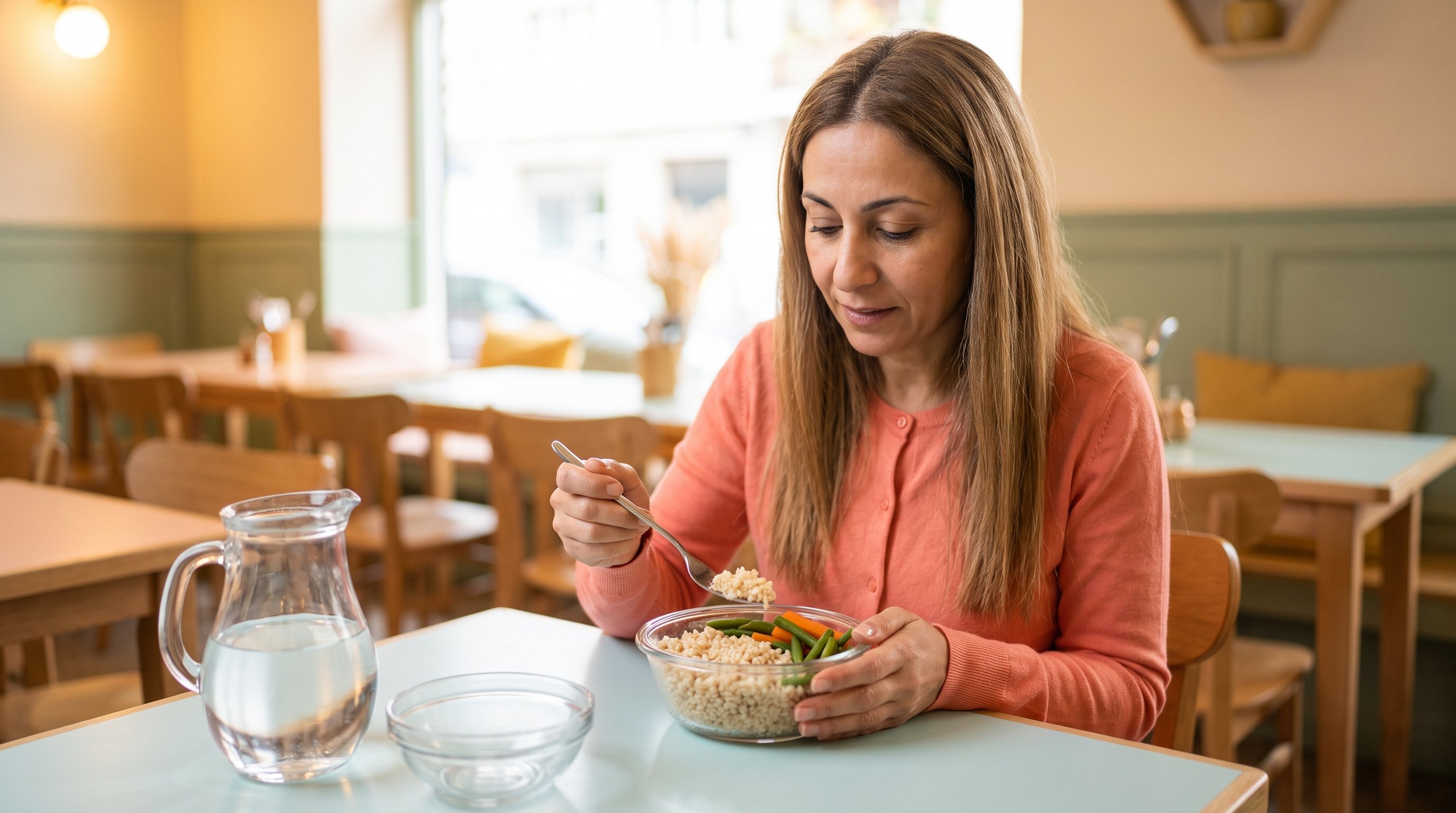
| Common Trigger | Gentler Swap |
|---|---|
| Carbonated drinks | Still water with mint |
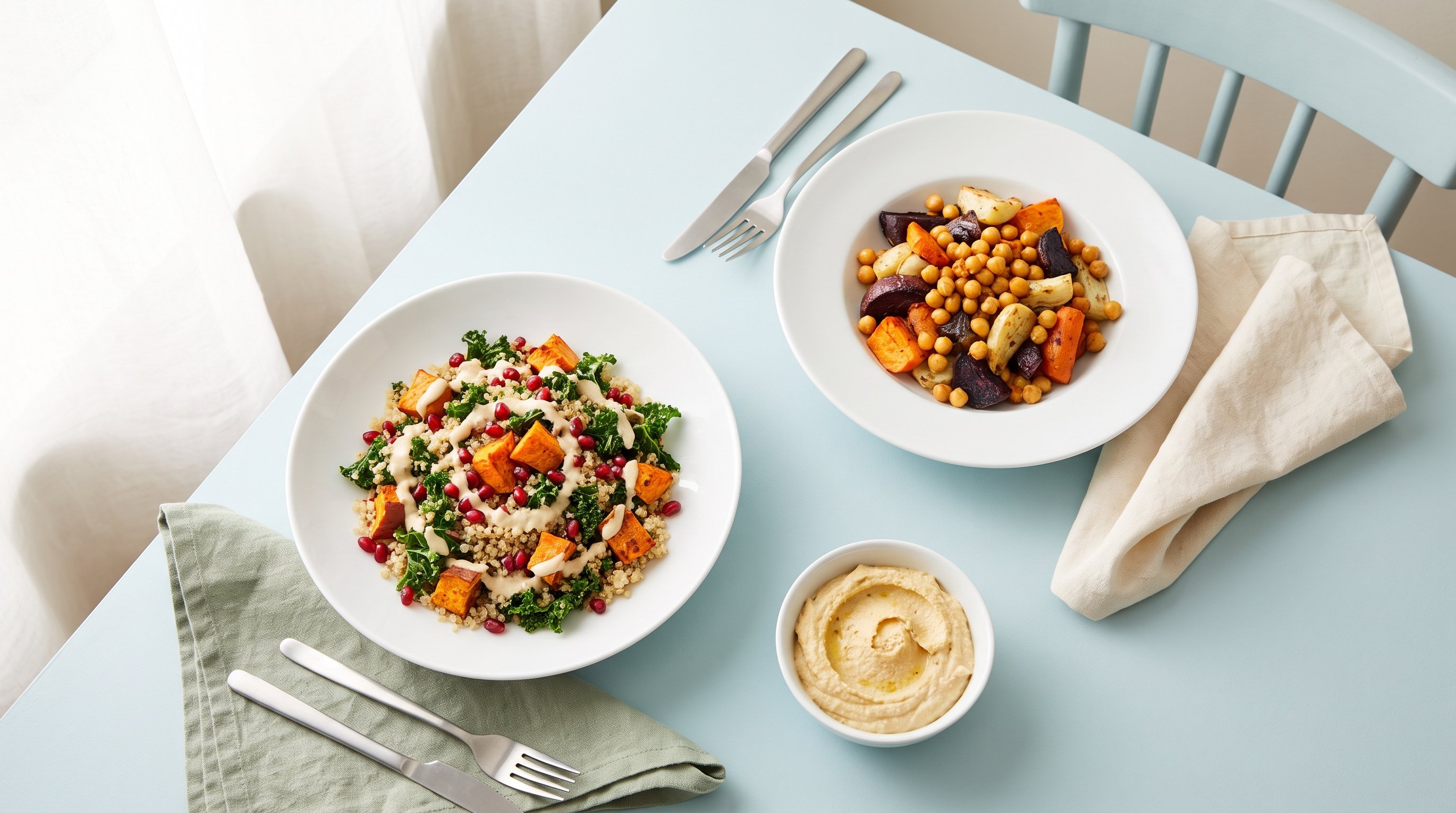
| Fried foods | Steamed or roasted vegetables |
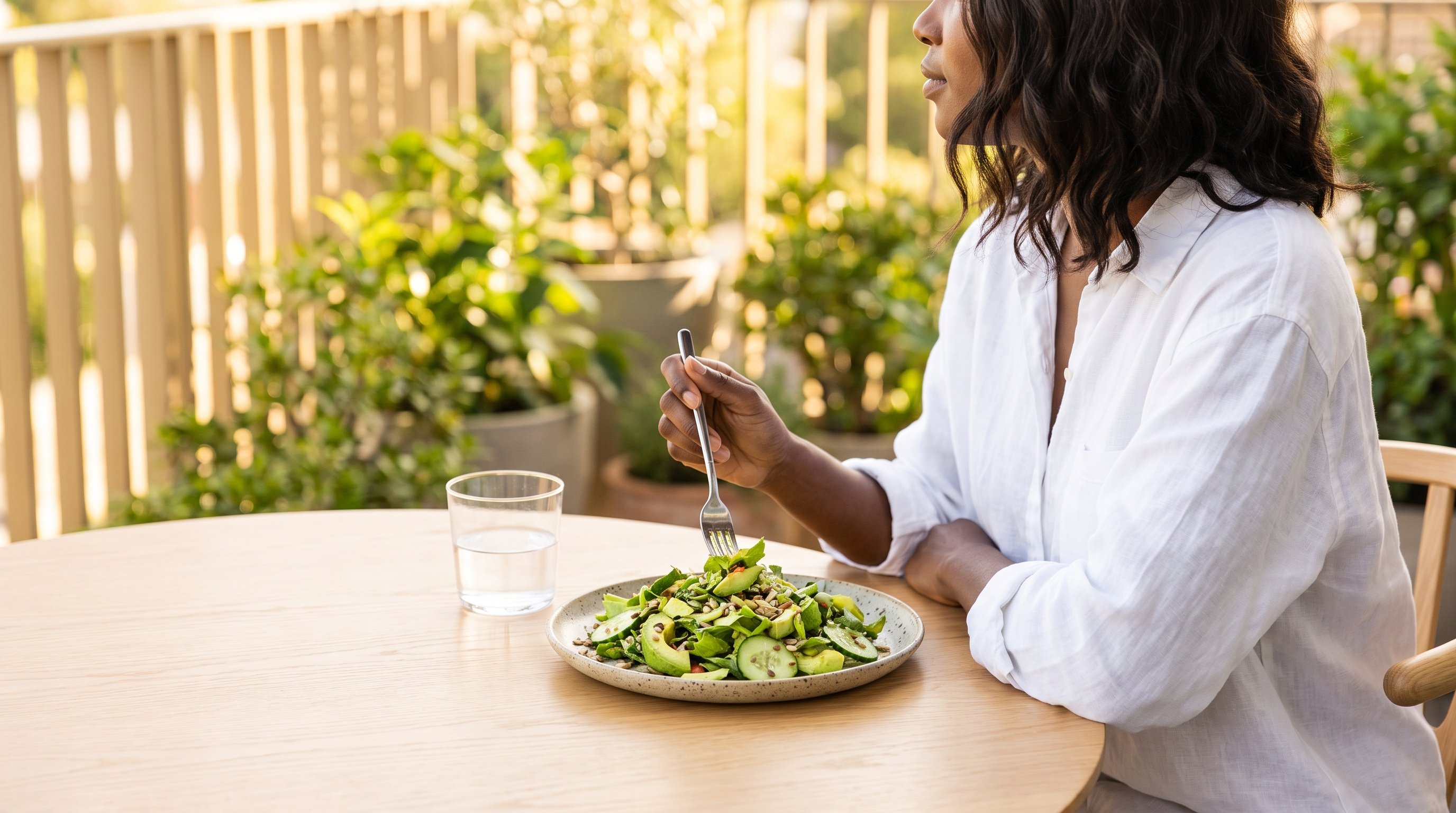
| Large raw salads | Lightly cooked greens |
| Beans eaten suddenly | Beans soaked and introduced slowly |
| Sugar-free gum or sweets | Fresh fruit in small portions |
None of these swaps are strict rules, since the same food can sit fine with one person and badly with another.
They are simply a starting point for noticing patterns in your own meals.
Why Gentle Swaps Beat a Strict Elimination Diet
A strict elimination diet, where you cut out whole food groups all at once, can be hard to stick with and hard to figure out what actually caused the problem.
Swapping one trigger food at a time for a gentler option is far easier to keep up, because you are not relearning every meal from scratch.
An eating pattern you can actually repeat on a normal Tuesday beats a perfect plan you abandon by the weekend.
That is really the whole game with bloating: consistency in small choices, not a dramatic overhaul that burns out after a week.
Matching These Food Swaps to Your Own Routine
If You Are New to Paying Attention to Bloating
Start by noticing which meals leave you feeling heavy or tight, rather than trying to overhaul everything at once.
If Your Days Are Packed
Keep a few gentle staples on hand, like plain yoghurt, bananas or cooked rice, so you are not reaching for whatever is fastest when you are rushed.
If You Are Managing This Alongside Other Health Needs
Introduce changes slowly and in small amounts, since sudden big shifts in fibre or fermented foods can sometimes cause more gas before things settle.
If You Eat Out Often
Look for simply prepared dishes - grilled, steamed or roasted - over heavily sauced or fried options, which tend to sit heavier.
Fitting Bloating-Friendly Eating Into a Normal Week
Food choices are only half the picture, since movement after a meal helps things move through the gut rather than sit and ferment.
A short walk after eating is one of the simplest ways to support digestion without adding anything complicated to your day.
This is where a movement and hydration tracking app fits in - its step tracker and water tracker sit in one place, so you can see at a glance whether you moved after meals and whether you are keeping hydrated, which both play into how comfortable your gut feels.
The easy-to-follow meal plan can also help you spot gentler swaps for your usual meals without having to work it all out from scratch.
The Myth of a Single Miracle Food
No single food, drink or supplement reduces bloating on its own and no food targets one part of the body - the digestive system works as a whole, not in sections.
Claims that one ingredient will flatten a particular area overnight do not match how digestion actually works, and the body does not store or release bloating from just one spot.
The honest answer is that gentler food choices, steady hydration and regular movement work together over time, and even then, everyone's gut responds a little differently.
There is no shortcut here, just a set of habits that tend to help more often than not.
Pairing Walking Yoga With Your Bloating-Friendly Diet
Changing what you eat is one lever, and moving your body regularly is the other, and Walking Yoga is built to make the second part easier to keep up.
Walking Yoga combines gentle yoga stretches with walking sessions, which can support digestion simply by getting you moving after meals rather than staying seated for hours.
The app's trackers keep step counts, water intake and weight in one place, so you can see how your movement and hydration line up with how your stomach feels day to day.
The stress-relief techniques and guided meditations are worth a mention too, since a tense body can slow digestion down, and a short mindfulness session before or after a meal is an easy way to settle things.
Walk Your Way Calm
Move Mindfully Daily
Making These Swaps Stick Past the First Week
Pick two or three trigger foods you eat often and swap them for a gentler option this week, rather than trying to change everything at once.
Pair that with a short walk after your main meal, which is a small habit a step tracking app can help you track alongside water intake and weight.
Give it a few weeks before judging whether a swap is working, since digestion settles into new patterns gradually rather than overnight.
Small, steady changes in what you eat and how much you move tend to outlast any short, strict fix.
FAQ
Gentle, easy-to-digest foods like cucumber, plain yoghurt, bananas and cooked vegetables tend to sit lightest, though speed of relief varies from person to person. There is no food that works instantly for everyone, so it is worth noticing what suits your own gut.
No - swapping one or two common triggers for gentler versions is usually more sustainable than cutting out whole food groups. Small, steady swaps tend to stick far better than an all-or-nothing approach.
Food is only one part of digestion, so pairing gentler eating with regular movement, steady hydration and less rushed meals often makes more of a difference together. Walking Yoga can help you keep an eye on movement and water intake alongside your eating habits, so you can see the fuller picture.
Digestion reacts to more than food alone, including stress, portion sizes and how quickly you eat, so bloating can return even when your meals have been gentle. That is normal, and it is worth looking at the whole pattern of your week rather than any single meal.
Share this post