Walking For Weight Loss: The Honest, No-Nonsense Guide
By:Author:Walking Yoga Editorial
Updated on:October 28, 2026

- The Myth That Walking Targets One Area
- How Daily Walking Actually Shifts Your Weight
- Three Factors That Change Your Walking Results
- What a Realistic Walking Week Looks Like
- Making Walking Work Around a Full Schedule
- When Walking for Weight Loss Starts to Show
- Mistakes That Quietly Stall a Walking Routine
- Building a Walking for Weight Loss Habit With Walking Yoga
- Turning a Daily Walk Into a Lasting Habit
Walking for weight loss works because it burns energy and is easy enough to repeat most days, which matters more than any single hard session.
The body runs on a simple ledger: energy in versus energy out. Walking adds to the 'out' side, and because it's gentle on joints and doesn't wreck your schedule, you can actually keep doing it week after week, which is where the real result lives.
This guide covers the myth that trips people up, how walking actually affects your weight, what changes the outcome, a sample week, common mistakes, and where an app like Walking Yoga fits in.
The Myth That Walking Targets One Area
A lot of people start walking hoping it will shrink one specific area first. It won't, and no form of exercise can choose where your body loses weight from.
The body decides where it releases stored energy from based on its own patterns, not on which muscles you're moving. Walking more just changes your overall energy balance, and the body distributes any change across itself in its own way.
The honest answer is that consistent walking, paired with how you eat, affects your weight overall - not a single area you're hoping to change.
How Daily Walking Actually Shifts Your Weight
Two things are doing the work here: the energy you spend moving, and how that fits against what you eat.
The Energy Side of the Equation
Every step takes a small amount of energy, and that adds up across a day without feeling like a workout at all. A longer walk or a brisker pace increases the total, but even a moderate daily habit adds a steady amount week after week.
Why Food Still Decides the Outcome
Walking increases the energy you burn, but what you eat determines how that balance actually lands. A long walk can be offset by a single extra snack, which is why pairing movement with sensible eating matters more than the walk alone.
Three Factors That Change Your Walking Results
Not all walking habits produce the same outcome. These three factors matter most, in order.
What Actually Moves the Needle
- Consistency over time - a shorter walk done most days beats a long walk done once a week, because the weekly total adds up higher.
- What you eat alongside it - movement and food work together, and ignoring one limits what the other can do.
- Pace and distance - once a habit is steady, picking up the pace or adding distance increases the energy spent per walk.
What a Realistic Walking Week Looks Like
Here's a week that doesn't demand a gym membership or a complete life overhaul.
A Sample Walking Week
- Monday - a 30-minute walk at a comfortable pace, done on a lunch break or after dinner.
- Tuesday - a shorter 15-minute walk, split into two 7-8 minute chunks if the day is packed.
- Wednesday - a brisker 25-minute walk, pushing the pace slightly faster than a stroll.
- Thursday - a rest day from dedicated walking, with normal daily movement continuing as usual.
- Friday - a 30-minute walk, maybe with a friend or a podcast to make the time pass.
- Weekend - one longer walk of 40-60 minutes, done at whatever pace feels sustainable.
Making Walking Work Around a Full Schedule
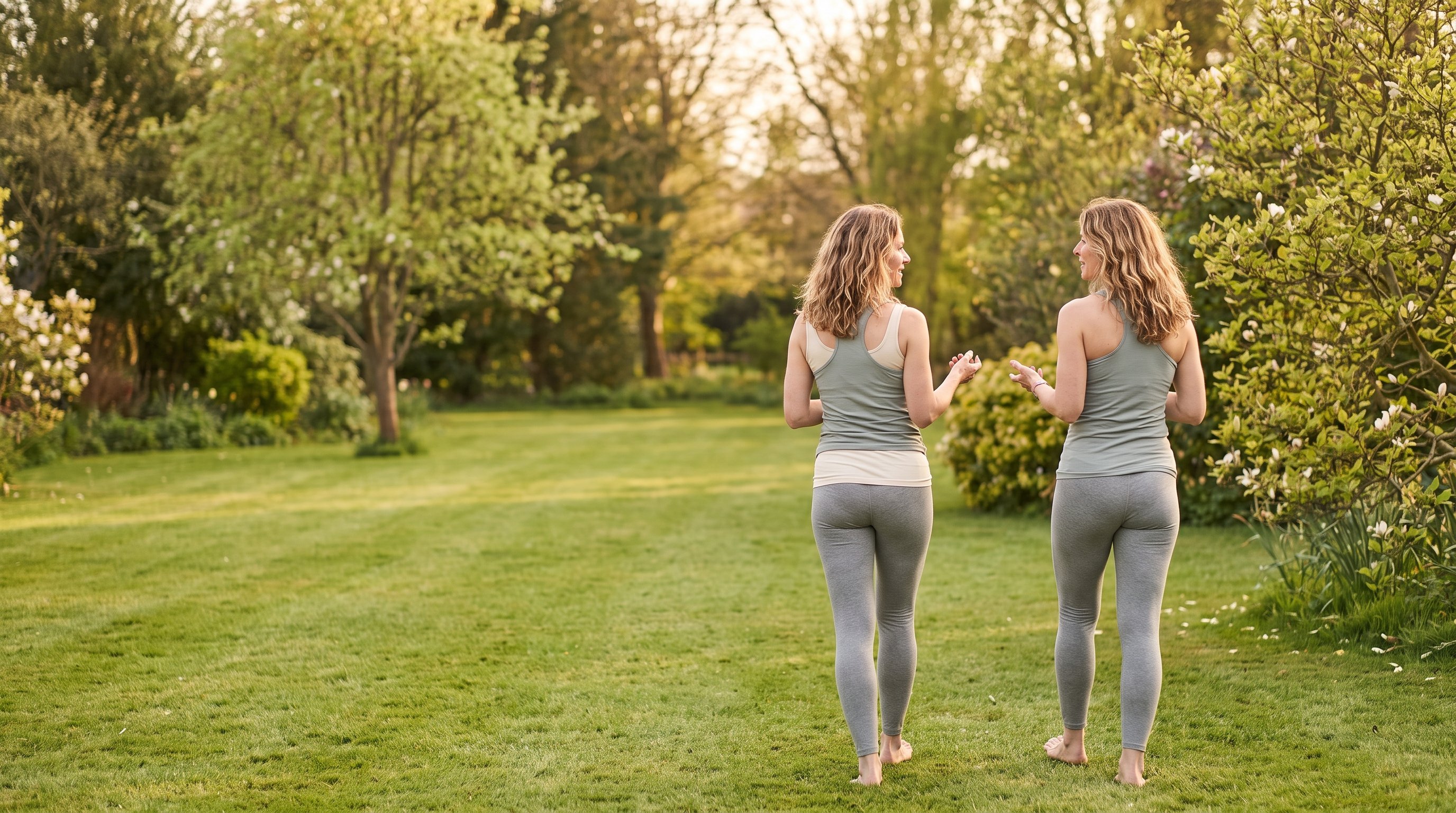
The walks above only work if they survive contact with a real week - school runs, meetings, tiredness, bad weather.
Breaking a walk into two shorter chunks instead of one long session still adds up to the same total, and it's often far easier to fit around a packed diary.
This is where Walking Yoga can help, since it combines gentle movement with guided sessions and progress tracking, so you can see your steps, water and weight in one place instead of guessing at your week.
When Walking for Weight Loss Starts to Show
This is usually where people either settle into the habit or quietly stop, somewhere around the point when the novelty wears off and the walk starts to feel routine.
There's no fixed point at which a change becomes noticeable, because it depends on how consistent the walks are and what's happening with food alongside them.
What's more useful than watching the calendar is watching the habit itself - are the walks still happening most days, and is the pace or distance creeping up over time.
Mistakes That Quietly Stall a Walking Routine
Starting Too Fast and Burning Out
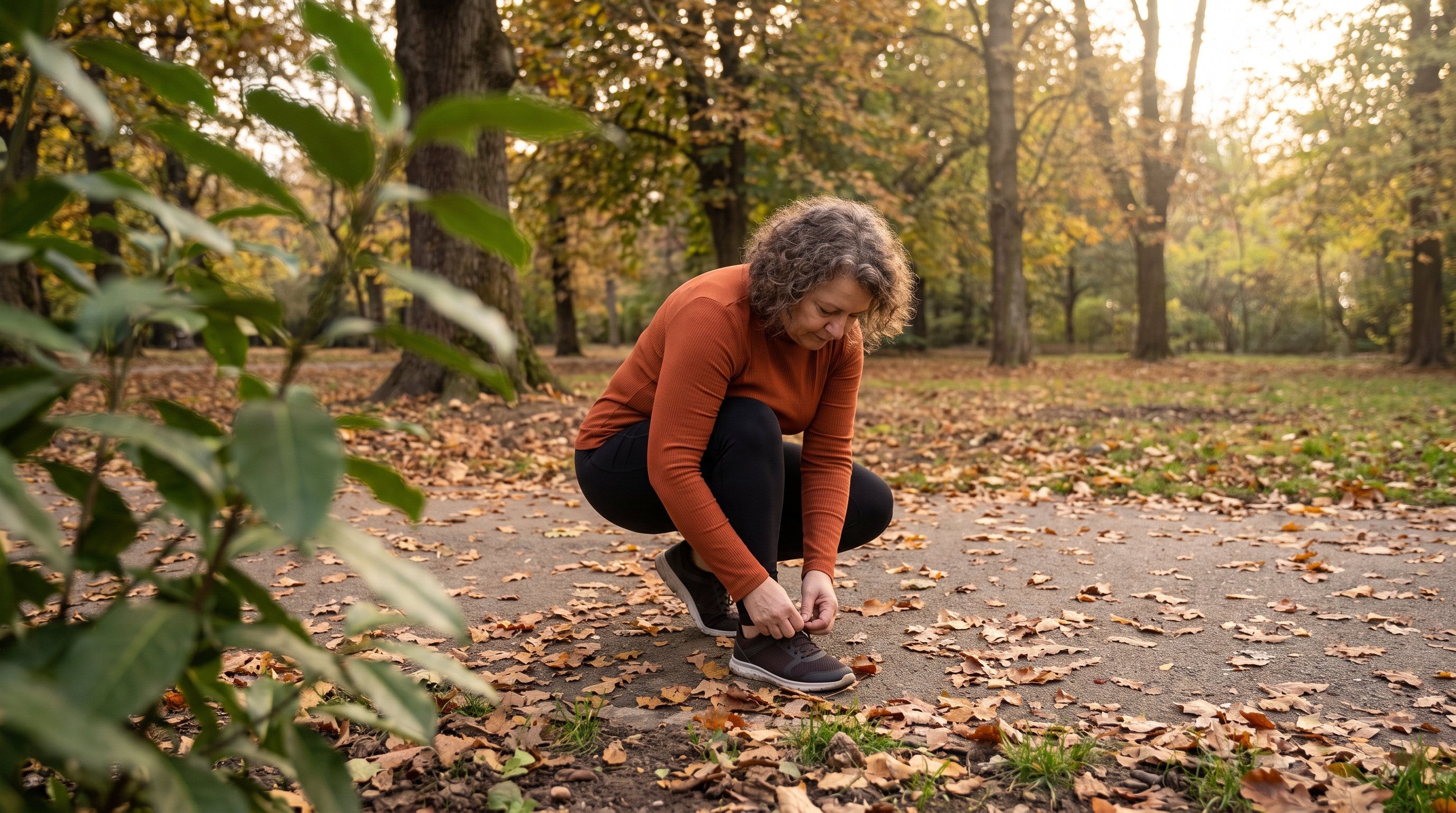
Jumping straight into long daily walks often leads to sore feet or boredom within a fortnight. Start with a length that feels easy, then build the time or pace gradually.
Ignoring What's on the Plate
A great walking habit can be undone by not paying attention to food, since the two work as a pair, not separately. A meal plan built around food you already like makes this easier to manage without feeling restrictive.
Treating One Missed Day As the End
Skipping a walk because of weather or a bad day doesn't erase the week before it. Picking the habit back up the next day matters more than any single missed session.
Only Counting the Long Weekend Walk
Relying on one big walk and nothing else during the week means the daily total stays low. Short walks on the in-between days add up and keep the habit alive.
Building a Walking for Weight Loss Habit With Walking Yoga
A walking habit sticks best when it's easy to follow and easy to see progress on, rather than something you have to plan from scratch every day.
Walking Yoga brings together a tailored plan for weight loss, guided sessions, and trackers for steps, water, weight and fasting, so the whole routine lives in one place instead of scattered across notes and guesswork.
It also includes stress-relief techniques and guided meditations, plus challenges built to help the habit stick rather than fade after a few weeks.

Walk Your Way Calmly
Move Mindfully Daily
Turning a Daily Walk Into a Lasting Habit
Walking for weight loss isn't about one perfect session - it's about showing up most days and letting the total build quietly in the background.
Pick a walk length you can actually repeat this week, pair it with sensible eating, and let Walking Yoga help keep the whole thing visible and manageable as you go.
FAQ
There's no single fixed number, since it depends on pace, distance and what you eat alongside it. A daily habit you can repeat matters more than hitting one specific target.
Walking burns energy steadily, and because it's easy to repeat daily, the weekly total often ends up higher than an occasional harder workout. Gentle doesn't mean ineffective, it means sustainable.
Short walks broken into chunks across the day still add to the same weekly total as one long session. Fitting in two 10-minute walks is a realistic swap on a packed day.
Starting too fast, ignoring food, or treating one missed day as a failure are the most common reasons people stop. Walking Yoga's trackers and guided sessions are built to help the habit survive those rough patches.
Share this post