How Much Water Should I Drink? Practical Ways to Hit Your Daily Target
By:Author:Walking Yoga Editorial
Updated on:October 28, 2026
- How Much Water Should You Actually Drink Each Day
- Plain Water Versus Tracking Every Drink You Have
- Why Steady Sipping Beats Forcing Big Gulps
- Adjusting Your Water Target to Your Own Situation
- Building a Hydration Habit Around a Normal Day
- The Myth That More Water Always Means Faster Results
- Tracking Your Water Target With Walking Yoga
- Making Your Daily Water Habit Stick Long Term
A common starting point is around 2 litres a day for most adults, but the right number for you depends on your body size, activity level and climate. There's no single figure that fits everyone, which is why so many people feel confused by the question.
Your body loses water constantly through breathing, sweat and normal waste processes, so you top it up through drinks and food. The more you move or the hotter it gets, the more you lose, and the more you need to replace.
This article walks through the arithmetic behind daily water targets, compares a few common approaches, and looks at how to build a hydration habit that actually survives a busy week.
How Much Water Should You Actually Drink Each Day
The mechanism is simple: water leaves your body all day through sweat, breath and waste, so you need a steady supply coming in to replace it.
A rough starting figure used by many people is about 2 litres a day, which works out to roughly eight 250 millilitre glasses. If you weigh more, move more, or spend time in heat, you'll likely need more than that baseline to keep up with what you're losing.
Some of your daily water also comes from food rather than drinks, which is part of why fixed glass counts feel arbitrary to some people. The honest answer is that the target is a range, not a single magic number, and paying attention to thirst, urine colour and how you feel is a reasonable way to check you're in that range.
Plain Water Versus Tracking Every Drink You Have
Most people weighing up hydration are really choosing between two approaches: drinking plain water steadily through the day, or logging every drink to hit an exact number.
Both can work, but they suit different habits and different amounts of daily effort.
| Approach | Daily Effort | Best For |
|---|---|---|
| Steady sipping | Low | Busy daily routines |
| Exact tracking | Medium | Data-driven habit builders |
| Water with meals only | Low | Simple routine starters |
| Bottle refill counting | Low | Visual daily reminders |
| App-based tracking | Low | People who like progress logs |
None of these is objectively better than the others, they just ask different things of your day.
Why Steady Sipping Beats Forcing Big Gulps
Chugging a litre in one sitting and then forgetting to drink for hours is harder to sustain than spreading smaller amounts across the day.
Steady sipping keeps your body supplied without the discomfort of a full stomach or the rush of needing a toilet break right away.
The adherence argument is the same one that applies to most health habits: a routine you can repeat every day beats a tougher routine you abandon after a week. Small, regular glasses throughout the day are easier to keep up than one or two large forced servings.
Adjusting Your Water Target to Your Own Situation
If You're Just Starting Out
Start by noticing how much you currently drink, then add a glass or two rather than jumping straight to a large target. Small increases are easier to stick with than a sudden overhaul.
If Your Days Are Packed
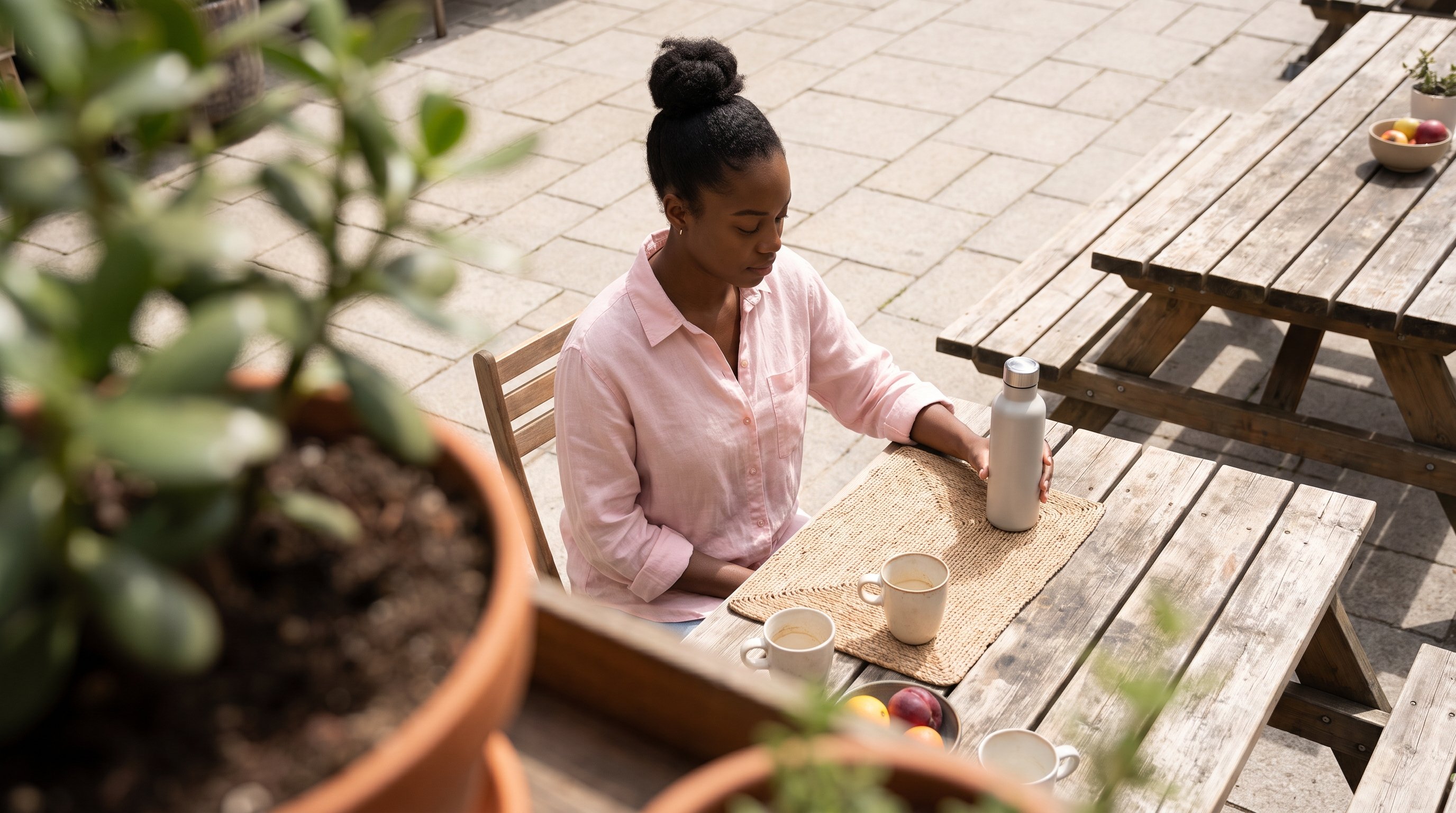
Keep a bottle within reach at your desk or in your bag so drinking doesn't need a separate decision. Pairing a glass with existing habits, like after each meal or before each meeting, removes the need to remember on its own.
If You Train or Move a Lot
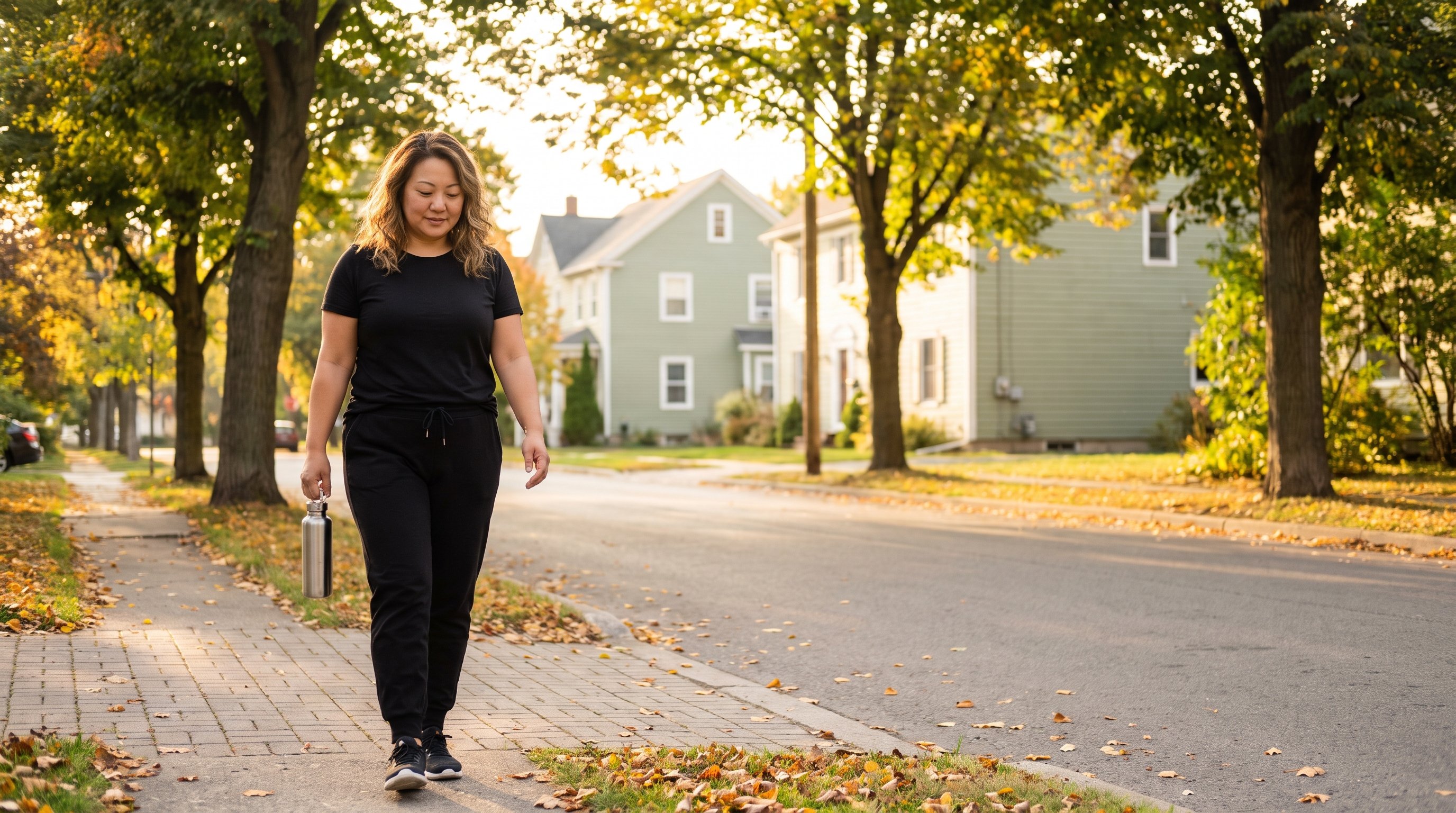
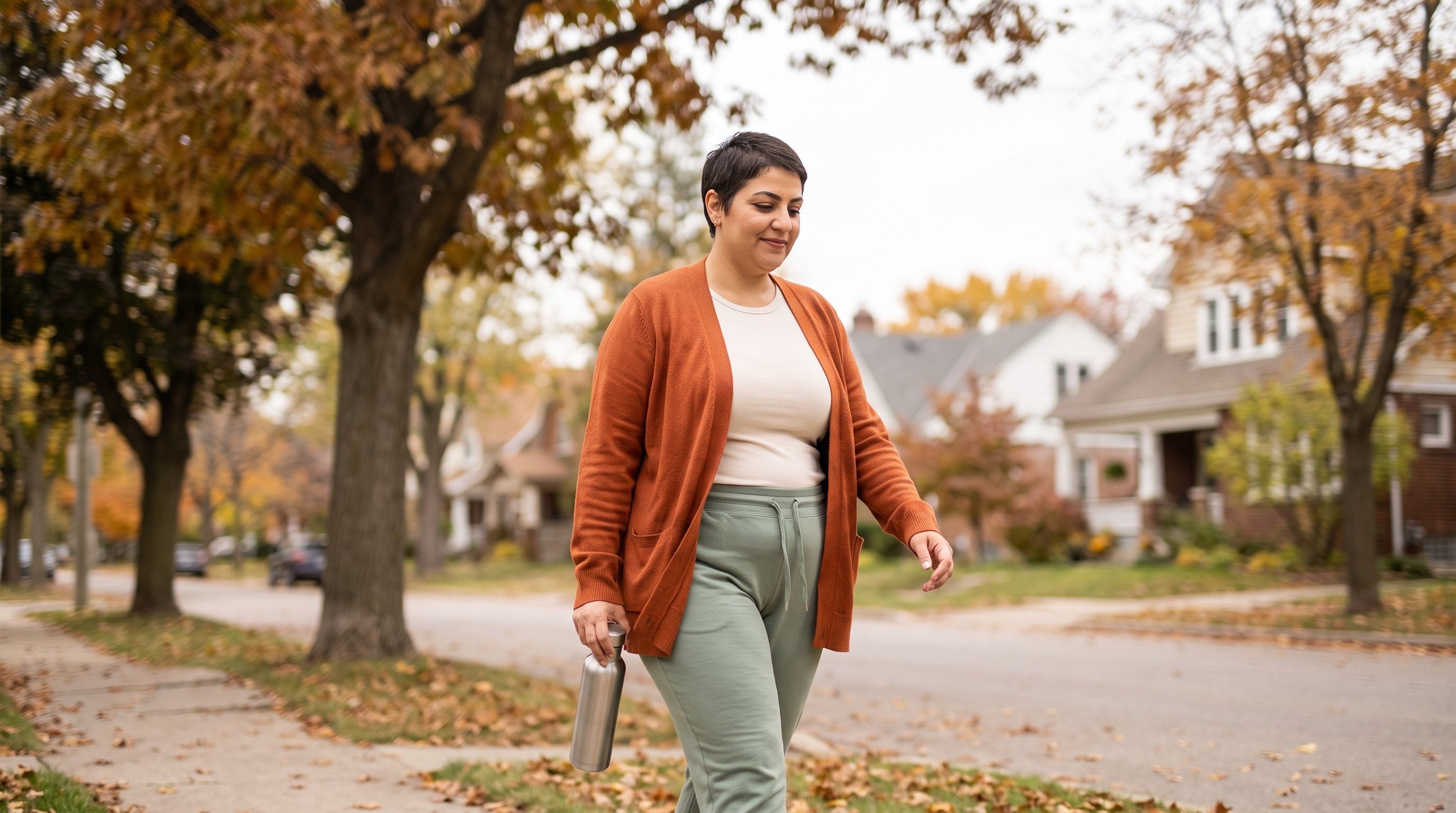
Extra sweat means extra water lost, so active days usually call for more than a quiet day at a desk. Drinking a glass before and after a walk or session is a simple way to account for that.
If You're Older or Drink Less Out of Habit
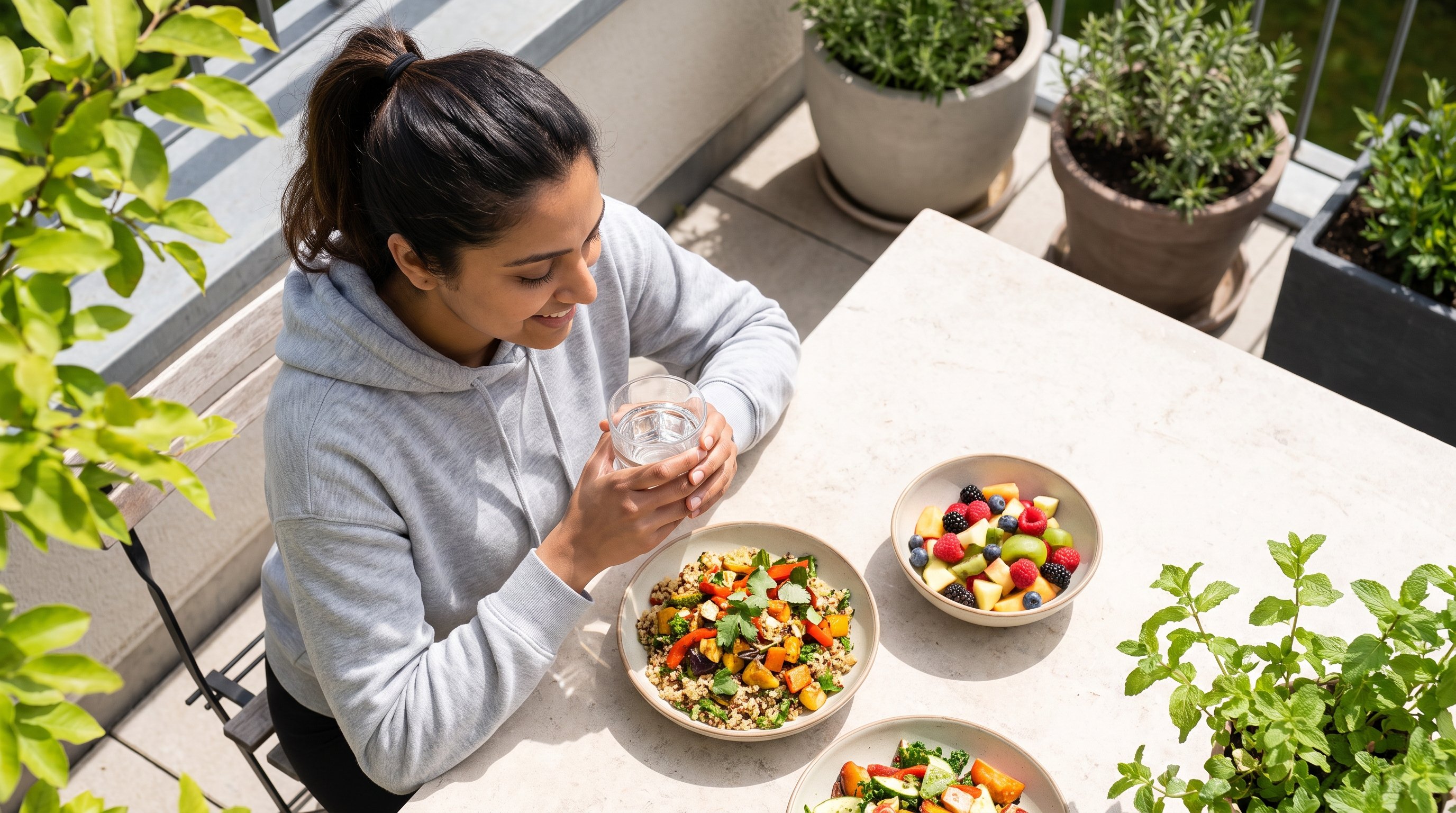
Thirst signals can feel less obvious as the day wears on, so setting regular reminders rather than waiting to feel thirsty can help keep intake steady. A visible bottle on the table works as a simple cue.
Building a Hydration Habit Around a Normal Day
Hydration rarely fails because people don't understand it, it fails because the habit gets lost between meetings, errands and everything else on the list.
Attaching water to things you already do each day, like a meal, a commute or a walk, turns it into something automatic instead of something you have to remember.
This is where keeping steps, water and weight in one place makes a difference, because seeing the numbers side by side is a quick nudge to catch up before the day runs out. Walking Yoga's tracker features let you log water alongside your daily steps, so hydration becomes part of the same glance you already give your activity.
The Myth That More Water Always Means Faster Results
Drinking extra water will not melt fat from any one area of your body, and no amount of water targets a specific spot.
The body does not work that way, water is water, it hydrates you evenly rather than reshaping one area on demand.
The real value of steady hydration is more straightforward: it supports normal daily function and can make it easier to tell the difference between thirst and hunger. That's a reasonable, honest reason to stay on top of it, without pretending it does more than it does.
Tracking Your Water Target With Walking Yoga
Once you know roughly what you're aiming for, the next challenge is remembering to hit it on an ordinary busy day.
Walking Yoga includes a water intake tracker alongside its step counter, weight log and fasting tracker, so your hydration sits next to the rest of your daily numbers instead of living in a separate notebook or app. Seeing it all in one view makes it easier to notice a gap and top up before the evening.
Paired with the app's guided walking sessions and tailored meal plan, hydration becomes one more habit built into a routine you're already following, rather than an extra task competing for attention.
Walk Your Way Calm
Move Mindfully Daily
Making Your Daily Water Habit Stick Long Term
The most useful thing you can do today is pick one simple cue, like a glass with breakfast or a refill after each walk, and repeat it until it needs no thought.
Small, repeatable habits beat ambitious targets you abandon by Thursday, and that's as true for water as it is for steps or meals. Walking Yoga's tracking tools can sit quietly in the background, giving you a clear picture of where you stand without turning hydration into one more chore.
FAQ
A common starting point is around 2 litres, roughly eight 250 millilitre glasses, though your own need shifts with body size, activity and climate. Treat it as a range to aim within rather than an exact number to hit perfectly.
Food does contribute some water to your daily total, but it's not usually enough on its own to cover everything your body loses through the day. Drinking regularly alongside meals is still the more reliable way to stay on top of it.
Attaching water to an existing habit, like a meal, a meeting or a walk, removes the need to remember it as a separate task. Walking Yoga's water tracker can sit alongside your step count as a visual reminder to catch up before the day ends.
Water itself doesn't burn fat or target any part of the body, so it's not a shortcut on its own. It can help you notice the difference between thirst and hunger, which is a small, honest benefit rather than a guaranteed result.
Share this post